Know Your Risk Before It Strikes
Your arteries could be hiding early disease. Find out today.

There is no single best K2 supplement for heart health. Vitamin K2 helps activate a protein that keeps calcium out of artery walls, so people ask if pills can protect the heart. The research is early. Studies suggest K2 may affect artery stiffness and calcium buildup, but no trial has shown that K2 prevents heart attacks or removes plaque. This guide explains the two main forms, MK7 and MK4, how to compare products, and who should be careful.
This content is for informational purposes only and is not medical advice. Vitamin K can change how warfarin works, so never start, stop, or change a K2 supplement or any heart medicine without talking to your doctor or anticoagulation team first. At BaleDoneen, we look at your real artery health first, then decide whether a supplement has any place in your plan.
Disclosure: We do not accept payment to name a best product. If links on a page ever earn a commission, we will say so clearly. Labels and formulas change, so check the current bottle.
Is There a Best K2 Supplement for Heart Health?
No product has been proven best for heart outcomes. A popular brand is not proof that a supplement works. Better questions are these: Which form does it contain? How much per serving? Has an outside lab tested it? Is it safe with your medicines?
Online lists often crown winners based on price, taste, or brand fame rather than heart results. We do not rank brands here. K2 is also only one of many vitamins for heart health and natural supplements for heart health that people ask about.
What Is Vitamin K2?
Vitamin K1 vs Vitamin K2
Vitamin K1 comes from leafy greens like spinach and kale. It mainly helps your liver make clotting proteins. Vitamin K2 comes from animal foods, fermented foods, and gut bacteria. It stays in the blood longer and acts more in tissues outside the liver, such as bone and blood vessels.
MK7 vs MK4
K2 comes in several forms called menaquinones. The two you see on labels are MK4 and MK7.
| Feature | MK4 | MK7 |
| Source | Animal foods, egg yolks, butter | Fermented foods like natto |
| Time in the blood | Short, about 6 to 8 hours | Longer, up to several days |
| Typical supplement dose | Often hundreds of mcg or more | About 45 to 200 mcg |
| Research | Used at very high doses in Japan for bone care | More studies at nutrition level doses |
MK7 lasts longer, so one daily dose may keep blood levels steady. That does not make it proven better for the heart. MK4 has been studied at much higher doses, in a different setting. Neither form is shown to be superior for heart attack prevention.
How Vitamin K Dependent Proteins Work
Vitamin K acts like a switch for certain proteins. Matrix Gla protein, or MGP, helps stop calcium from collecting in artery walls. It needs vitamin K to turn on. Osteocalcin helps bone take up calcium. When K2 is low, these proteins stay inactive. Blood tests can measure the inactive form. A link in blood tests is not the same as proof that a pill prevents heart disease.

What Does Research Say About Vitamin K2 and Heart Health?
Arterial Plaque vs Vascular Calcification
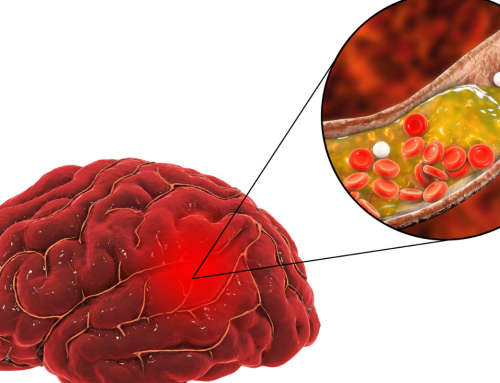
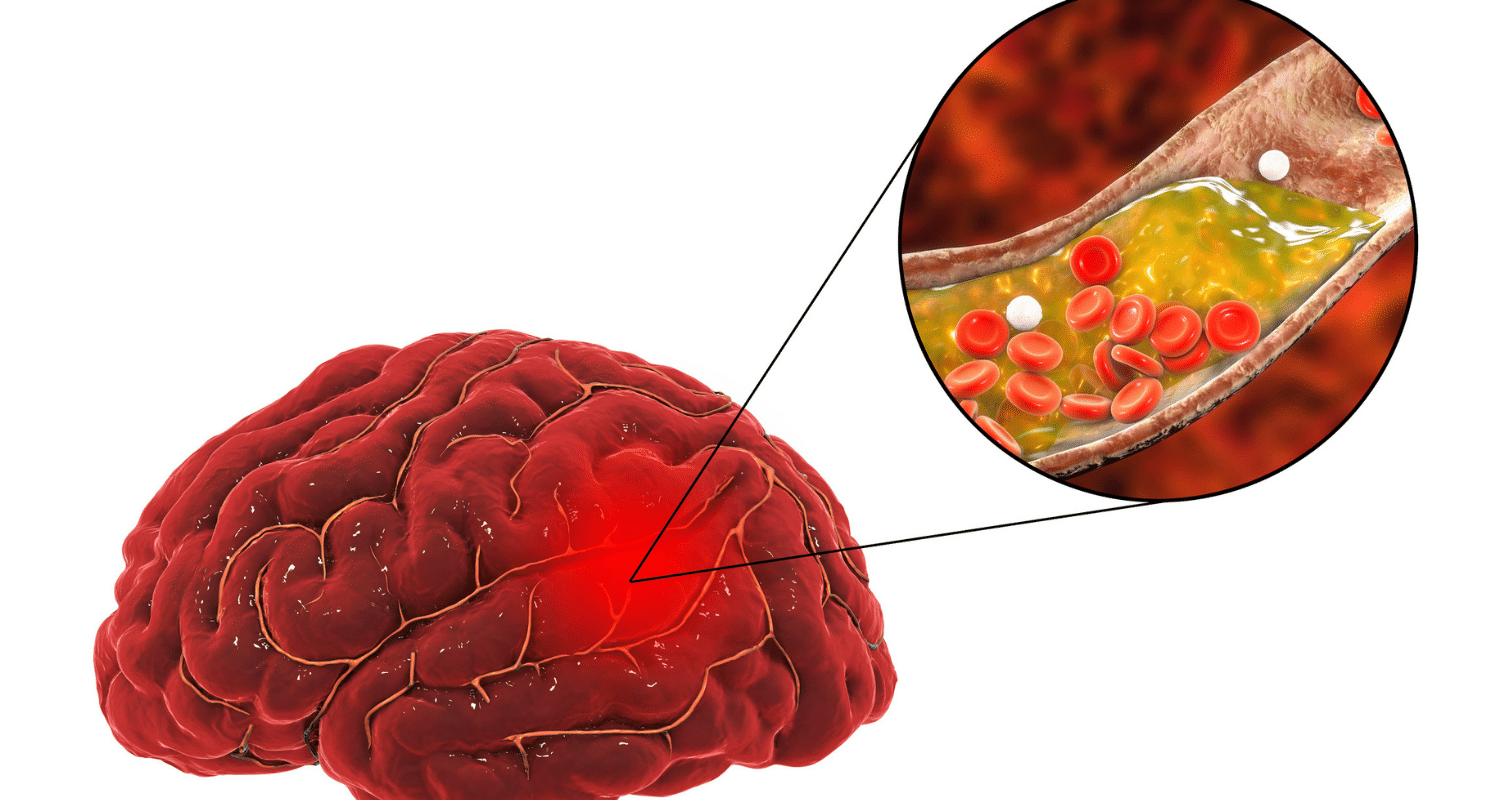
These are related, but they are not the same. Plaque is a buildup of fat, cholesterol, and cells inside the artery wall. Calcification is calcium in the wall of the artery or in plaque. Calcium can make arteries stiff. A scan can show calcium, and tests such as a carotid ultrasound can show plaque thickness.
What Human Studies Show
- Food studies. The Rotterdam study followed older adults and found that higher dietary K2 went with less aortic calcification and fewer deaths from heart disease. This type of study shows a link, not cause.
- Reviews. Large reviews of diet studies linked more vitamin K intake with a moderately lower risk of coronary heart disease, though not with lower death rates.
- Supplement trials. A three year trial gave 180 mcg of MK7 a day to postmenopausal women. Measures of artery stiffness improved compared with placebo, mostly in women who started with stiffer arteries. Other trials on calcification have given mixed results.
What Remains Uncertain
We do not know the best dose, the best form, or who benefits most. We do not know if K2 changes heart attacks, strokes, or deaths. Do not trust claims that K2 clears arteries. Claims about plaque removal are not backed by direct trial proof.
How to Compare Vitamin K2 Supplements
Check the Form and Amount
Look for MK7 or MK4 on the label. The panel should list micrograms per serving. Doses in studies are often 90 to 200 mcg of MK7 daily.
Compare K2 Alone and D3 and K2 Formulas
Many products pair K2 with vitamin D3. Vitamin D helps you absorb calcium, so the idea is that K2 helps guide it. The proof that the pair protects hearts is limited. If you already take D3, a K2 only product avoids doubling up. Check your vitamin D level with a blood test first. Research on vitamin D and cardiovascular disease shows why more is not always better.
Review Ingredient Transparency and Testing
Seek a seal from USP, NSF, or a lab that publishes results. K2 is delicate, and some products may lose potency on the shelf. A brand that hides its testing is a red flag.
Compare Serving Size and Cost
Divide the price by the real number of servings.
Evaluate Added Ingredients
Fewer extras are easier to judge. Check for calcium, magnesium, or herbs, and make sure you want them. Extra minerals matter too, as with the best magnesium for heart health.
Are Vitamin K2 Supplements Safe?
Side Effects and Precautions
Most healthy adults tolerate K2 well. Mild stomach upset or a rash can occur. The National Institutes of Health has not set an upper limit for vitamin K, but that does not mean any amount is right for you. Pregnant or nursing women, people with kidney disease, and people with clotting disorders should ask a doctor first.
Vitamin K2 and Warfarin
This is the most important warning. Warfarin works by blocking vitamin K. Adding K2 can weaken the drug and raise clot risk. If you take warfarin, do not add K2 without your prescriber. Your INR may need closer checks. Steady vitamin K intake matters for anyone using blood thinners to prevent stroke.
Other Medicines and Conditions
Newer blood thinners work in a different way, but ask your doctor anyway. Tell your pharmacist about every supplement you take.
Food First
K2 is found in natto, hard cheeses, egg yolks, and some organ meats. A heart healthy pattern still matters most. See how this fits in preventing a heart attack with food.
Frequently Asked Questions
What is the best K2 supplement for heart health?
No product is proven best. Choose a clearly labeled, tested product that fits your medicines.
Do cardiologists recommend vitamin K2?
There is no standard recommendation to take K2 for heart disease.
Does vitamin K2 remove plaque from arteries?
No trial shows that it does.
Can vitamin K2 help with arterial calcification?
It may slow some measures, but results are mixed and not proven to improve outcomes.
Is MK7 better than MK4?
MK7 stays in the blood longer. Neither is proven superior for the heart.
Should vitamin D3 always be taken with K2?
No. Check your vitamin D level and your diet before deciding.
What should I look for in a K2 supplement?
Form, dose in mcg, outside testing, a short ingredient list, and a fair price.
Is vitamin K2 safe for people with heart problems?
Often yes, but it depends on your medicines. Ask your doctor first.
Can vitamin K2 interact with warfarin?
Yes. It can weaken warfarin.
Does vitamin K2 prevent heart disease?
That is not proven.
Key Takeaways
Vitamin K2 is interesting, but the proof for heart protection is still thin. Pick a transparent, tested product only after you talk with your doctor, especially if you take warfarin. Do not use K2 in place of cholesterol, blood pressure, or diabetes care. Real prevention starts with knowing your risk, such as through heart attack prevention planning.
About the Author: Christine Cooper