Know Your Risk Before It Strikes
Your arteries could be hiding early disease. Find out today.
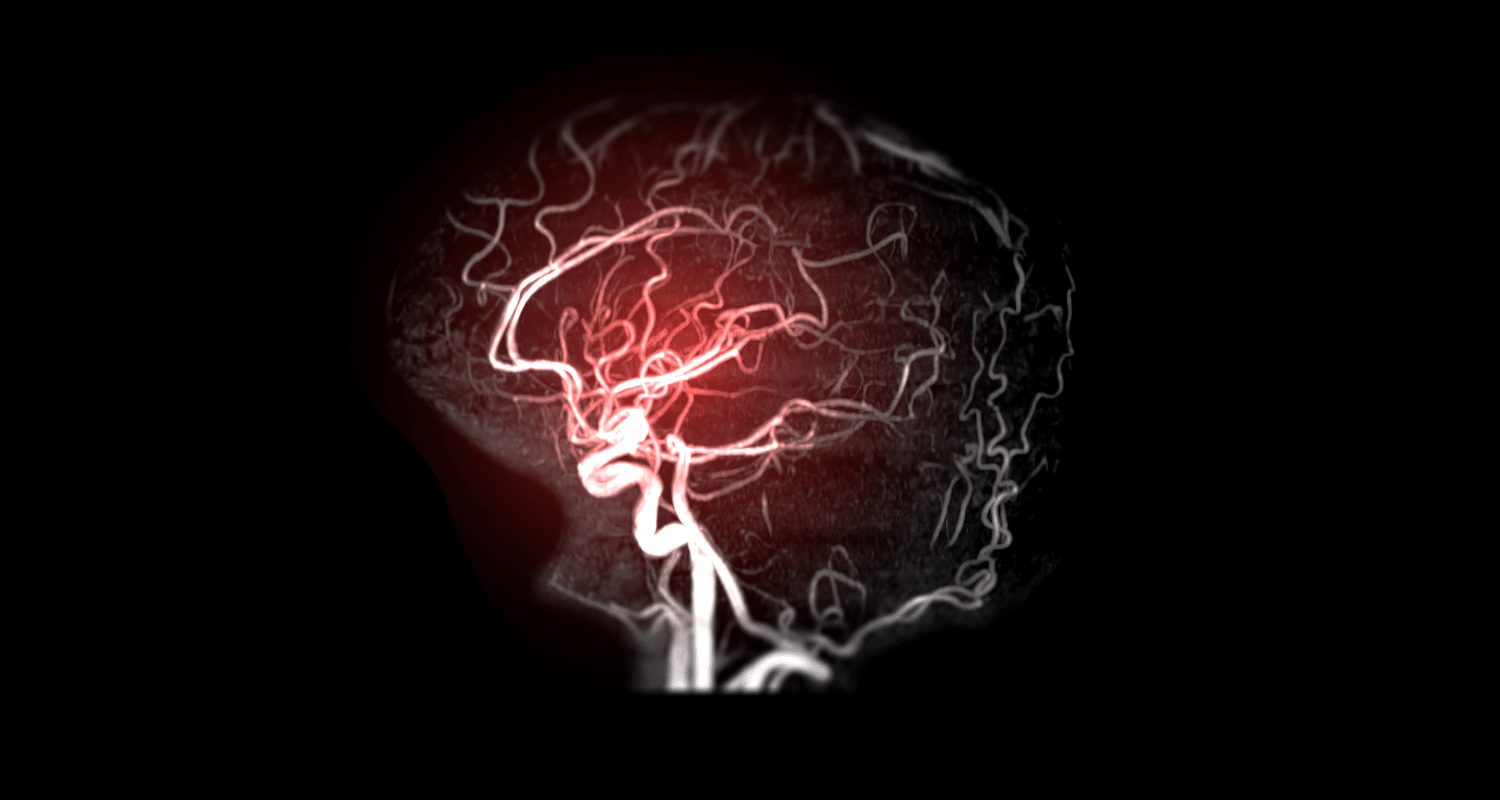
The most important way to reduce the risk of hemorrhagic stroke is to control high blood pressure. Other steps include not smoking, limiting alcohol, exercising regularly, eating a healthy diet, maintaining a healthy weight, managing diabetes and cholesterol, and taking prescribed medicines as directed. People with certain aneurysm or vascular risk factors may also need individualized medical evaluation. You cannot completely prevent hemorrhagic stroke, but you can meaningfully reduce your risk.
This content is for informational purposes only and is not a substitute for medical advice. Never stop, start, or change an anticoagulant or any other prescribed medication based on this article without speaking to your doctor first. Blood pressure control sits at the center of how BaleDoneen Method thinks about vascular protection.
Can a Hemorrhagic Stroke Be Prevented?
Hemorrhagic stroke cannot always be prevented, but its risk can often be reduced by controlling blood pressure, not smoking, limiting alcohol, exercising regularly, following a healthy diet, maintaining a healthy weight, managing diabetes and cholesterol, taking prescribed medicines correctly, and addressing certain vascular conditions when appropriate.
Control Your Blood Pressure
This is the strongest and most important section of this guide. Uncontrolled hypertension causes ongoing stress and damage to blood vessel walls throughout your body, including the small vessels inside your brain. Over time, this damage makes these vessels more prone to rupture, which is the mechanism behind many hemorrhagic strokes. The relationship runs directly: hypertension leads to blood vessel damage and stress, which leads to increased hemorrhagic stroke risk.
Home blood pressure monitoring, regular medical follow up, and taking prescribed antihypertensive medication exactly as directed all matter significantly here.
Don’t Smoke
Smoking damages blood vessels and raises hemorrhagic stroke risk alongside ischemic stroke risk. Quitting offers real, meaningful benefit, and the sooner, the better.
Limit Alcohol
Excessive alcohol raises blood pressure and can contribute to bleeding risk, adding to hemorrhagic stroke risk specifically. Alcohol should never be presented as beneficial for stroke prevention.
Follow a Heart Healthy Diet
A diet built around fruits, vegetables, whole grains, healthy protein sources, healthy fats, and lower sodium intake supports healthier blood pressure and overall vascular health. Small, sustainable changes to how you eat tend to compound over time more than a strict short term plan.
Exercise Regularly
Physical activity supports blood pressure management, weight control, and metabolic health, all connected to lower vascular risk. Exercise should be appropriate for your individual health and fitness level, and our deeper look at exercise and stroke risk explains the mechanism in more depth.
Maintain a Healthy Weight
Excess weight contributes to high blood pressure, diabetes, and broader metabolic problems, and managing it is one part of overall risk reduction, not a guarantee against hemorrhagic stroke specifically.
Manage Diabetes and Cholesterol
Diabetes
Glucose management, regular medical monitoring, and following your prescribed treatment plan all support better vascular health, connected to insulin resistance.
Cholesterol
Lipid management still plays a role in overall stroke prevention, though it is worth noting that cholesterol does not carry quite the same weight for hemorrhagic stroke risk that uncontrolled hypertension does. Blood pressure deserves the greatest emphasis for this specific type of stroke.
Use Blood Thinners Safely
Anticoagulants reduce clot formation for people who need them, often for conditions like atrial fibrillation, but this same effect can increase bleeding risk, including in the brain. Individualized prescribing and monitoring matter significantly, and potential medication interactions should always be reviewed with your doctor. Never start, stop, or change an anticoagulant without speaking with the prescribing clinician, even if you are specifically worried about hemorrhagic stroke risk. Our fuller breakdown of blood thinners covers this trade off in more depth.
Understand Your Aneurysm and Vascular Risk
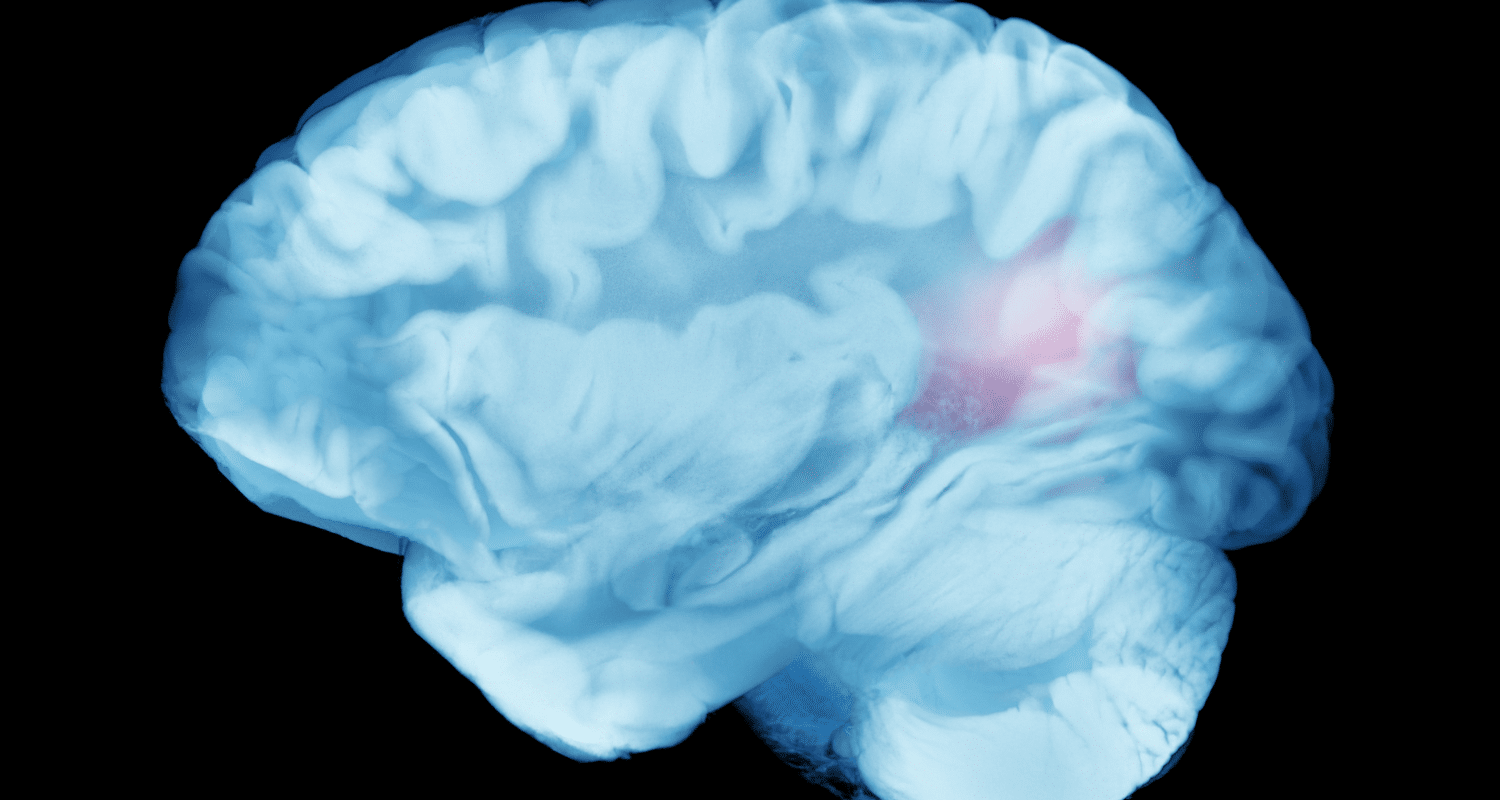
A brain aneurysm is a weakened, bulging area in a blood vessel wall. If it ruptures, it can cause a type of hemorrhagic stroke called a subarachnoid hemorrhage. Family history, certain inherited conditions, and other vascular abnormalities all factor into individual risk. This is exactly the kind of situation where individual assessment with your doctor matters more than general population statistics.
Who May Need Aneurysm Screening?
Screening is not automatically appropriate for everyone. Some people with specific risk factors, including a strong family history, certain inherited conditions, or other individual risk factors and medical history, may benefit from medical evaluation or screening. This decision should be made with an appropriate healthcare professional rather than assumed to apply to everyone with any family connection to aneurysms.
Can You Prevent a Second Hemorrhagic Stroke?
Secondary prevention depends on the cause of your original stroke, blood pressure management, a medication review, lifestyle changes, management of other medical conditions, ongoing follow up with your healthcare professionals, and your individual recurrence risk. This is distinct from primary prevention, since the specific cause identified after your first hemorrhagic stroke shapes exactly what your prevention plan should focus on.
What Are the Warning Signs of a Hemorrhagic Stroke?
Watch for sudden severe headache, facial weakness, arm or leg weakness or numbness, speech difficulty, confusion, vision changes, loss of balance or coordination, and reduced consciousness. Our full warning signs guide covers these symptoms in more detail. Sudden neurological symptoms require emergency medical attention. Do not wait to see whether symptoms improve.
What Should You Do If a Stroke Is Happening Now?
A suspected stroke is a medical emergency. Prevention strategies do not stop an active stroke. Emergency medical care is needed immediately. Do not rely on home remedies, and do not delay care while trying to lower your blood pressure yourself.
Frequently Asked Questions
How can I prevent a hemorrhagic stroke?
Controlling blood pressure is the single most important step, alongside not smoking, limiting alcohol, exercising, eating well, and managing diabetes and cholesterol.
What is the biggest risk factor for hemorrhagic stroke?
Uncontrolled high blood pressure.
Can high blood pressure cause a hemorrhagic stroke?
Yes, by damaging blood vessel walls over time, making them more prone to rupture.
Can exercise reduce the risk of hemorrhagic stroke?
Yes, primarily by supporting healthier blood pressure and overall vascular health.
What foods help prevent stroke?
Fruits, vegetables, whole grains, healthy fats, and lower sodium foods all support better vascular health.
Does smoking increase hemorrhagic stroke risk?
Yes, by damaging blood vessels throughout the body.
Does alcohol increase the risk of hemorrhagic stroke?
Yes, excessive alcohol raises blood pressure and can contribute to bleeding risk.
Can blood thinners increase the risk of brain bleeding?
Yes, this is a genuine and important consideration, which is why anticoagulant use always requires individualized medical management.
Should I be screened for a brain aneurysm?
Not automatically. This depends on your specific family history and risk factors, and is worth discussing with your doctor.
How can I prevent another hemorrhagic stroke?
Secondary prevention depends on the cause of your original stroke, alongside blood pressure management and broader risk factor control.
Can hemorrhagic stroke be completely prevented?
No. Risk can be meaningfully reduced, but not every hemorrhagic stroke can be prevented.
What are the warning signs of a hemorrhagic stroke?
Sudden severe headache, facial weakness, arm or leg weakness, speech difficulty, confusion, vision changes, and loss of balance all require emergency attention.
About the Author: Christine Cooper