Know Your Risk Before It Strikes
Your arteries could be hiding early disease. Find out today.
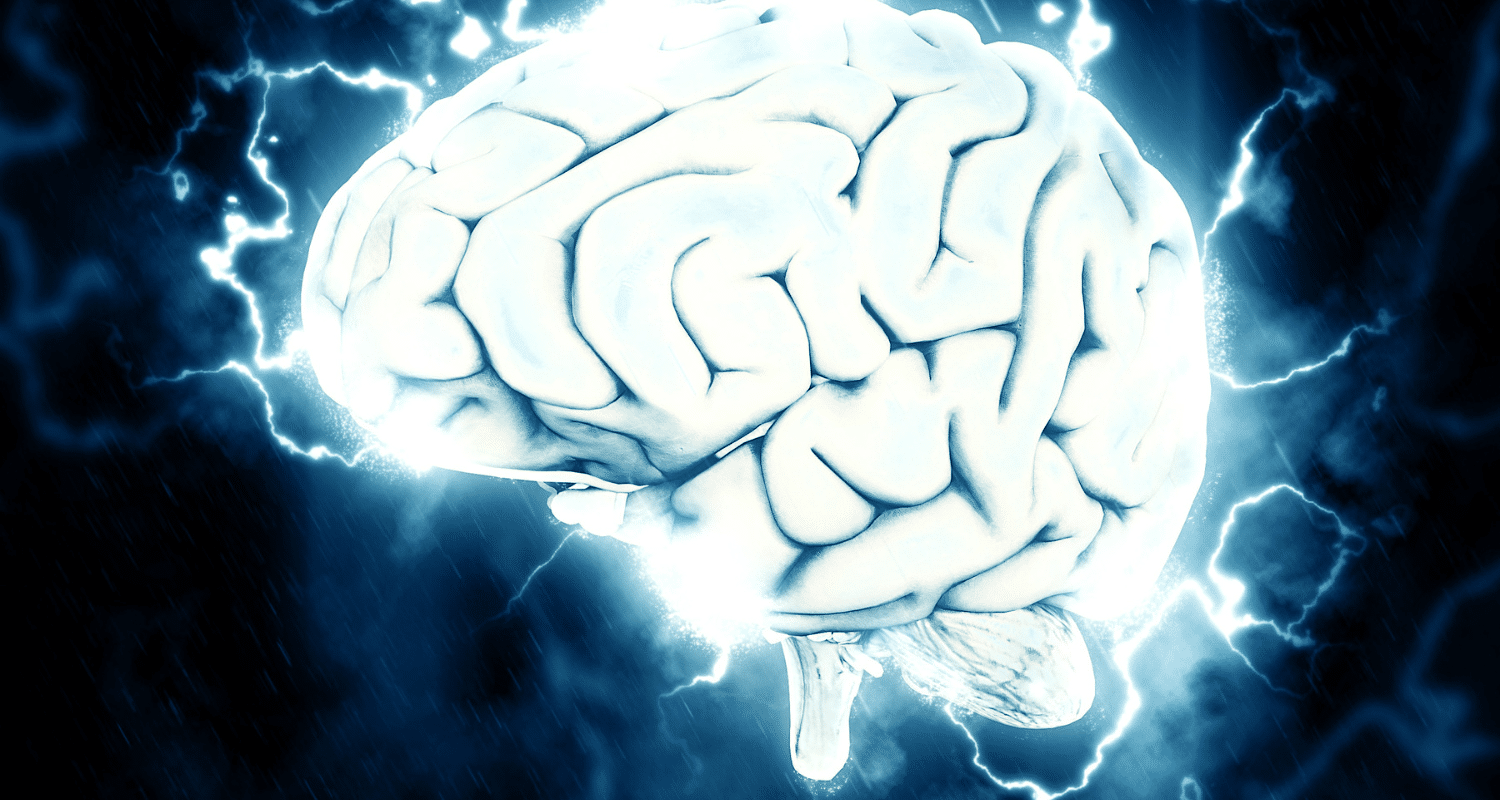
Seizures can occur after a stroke because stroke related brain injury can increase seizure susceptibility. Not every person who has a stroke will develop seizures, and not every seizure after a stroke leads to epilepsy. Prevention depends on individual risk and clinical circumstances, and anti-seizure medication is not automatically required for every stroke survivor. Anyone who experiences a seizure after a stroke should receive appropriate medical evaluation.
This content is for informational purposes only and is not a substitute for medical advice. Never start, stop, or change an anti-seizure medication based on this article without speaking to your doctor first. Recovery care that looks at the whole person, not just one symptom, is part of what BaleDoneen Method emphasizes.
Can You Prevent Seizures After Stroke?
Not all post-stroke seizures can be prevented. However, identifying risk factors, managing the underlying stroke condition, following medical advice, and treating seizures appropriately when they occur can help reduce complications and recurrence risk. This is different from automatically prescribing anti-seizure medication to everyone who has had a stroke.
Why Do Seizures Happen After a Stroke?
Stroke causes brain injury, and injured brain tissue can become more prone to abnormal electrical activity, which is what a seizure represents. The relationship follows a general pattern: stroke leads to brain injury, which leads to increased seizure susceptibility, which may lead to a seizure. Not every stroke creates the same level of risk. Factors like stroke location and severity, and whether the stroke was ischemic or hemorrhagic, all influence the likelihood.
Who Is More Likely to Have a Seizure After a Stroke?
Certain clinical factors are associated with higher seizure risk, including a more severe stroke, certain brain regions being affected, cortical involvement, hemorrhagic stroke, a previous seizure history, and significant brain injury generally. Having one or more of these risk factors does not mean a seizure will definitely occur, only that the likelihood is somewhat higher.
Early vs Late Seizures After Stroke
Early or Acute Symptomatic Seizures
Seizures occurring relatively soon after a stroke may be directly related to the acute brain injury itself, reflecting the immediate disruption rather than a lasting tendency toward seizures.
Late or Unprovoked Seizures
A seizure occurring later, once the acute injury has settled, can indicate more of an ongoing tendency toward seizures rather than a one time reaction to the injury.
Post-Stroke Epilepsy
Recurrent, appropriately classified unprovoked seizures may lead to a diagnosis of post-stroke epilepsy. One seizure after a stroke does not automatically mean a person has epilepsy. This diagnosis depends on the pattern over time, evaluated by a neurologist.
Does Everyone Need Anti-Seizure Medication After a Stroke?
No. Routine preventive anti-seizure medication is not generally given to every stroke survivor who has never experienced a seizure. Treatment decisions depend on individual clinical circumstances. A person who experiences a seizure typically needs neurological assessment, and anti-seizure medication may be recommended when the risk of recurrence or the specific clinical situation warrants it. These decisions belong with your treating healthcare professional, based on your specific history.
What Treatments Are Used for Post-Stroke Seizures?
Anti-Seizure Medications
These help control seizures and reduce recurrence risk when clinically indicated. The specific medication, dose, and duration depend on your individual situation and should be determined by your neurologist.
Neurological Evaluation
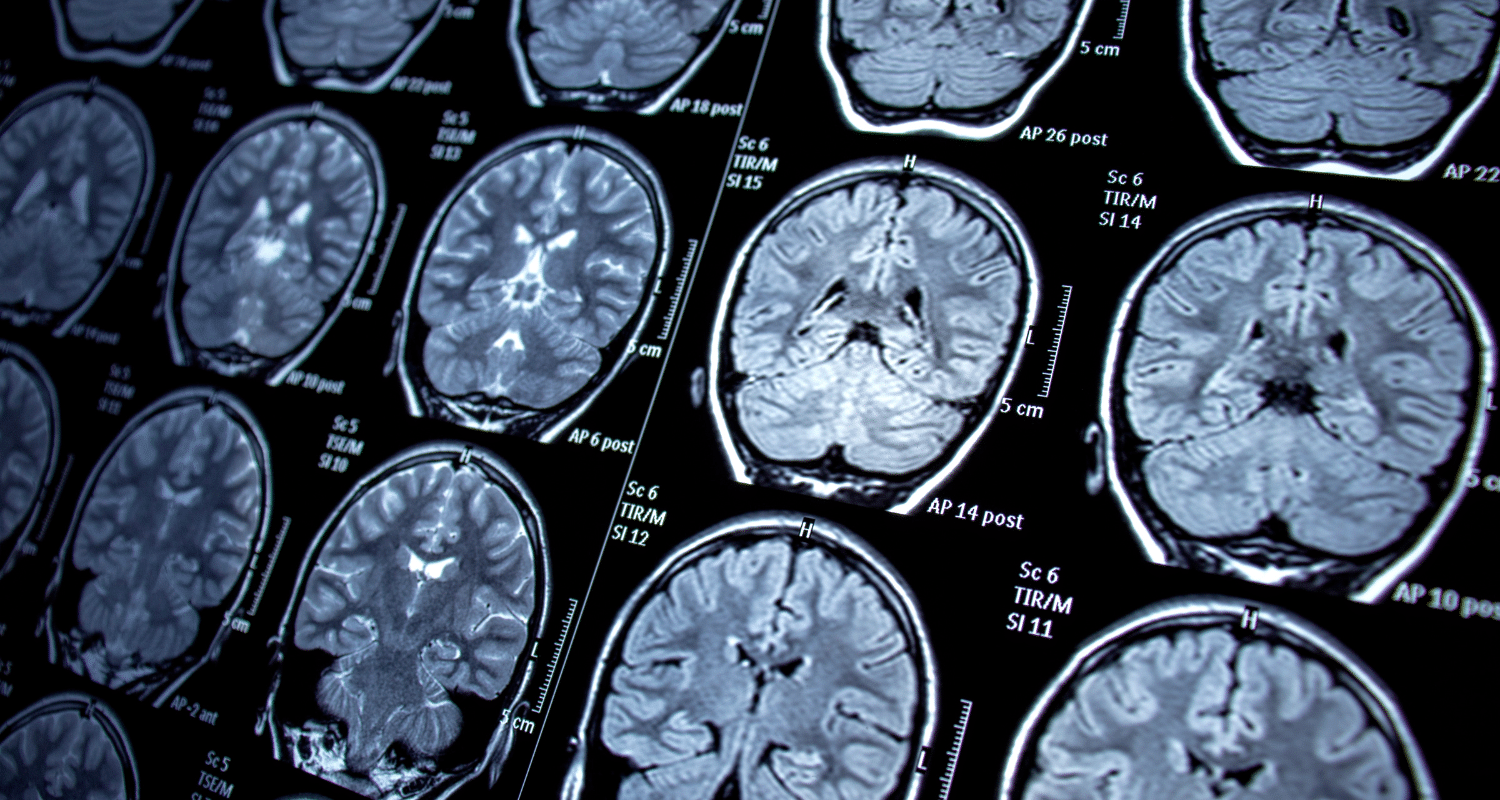
This typically includes a review of your seizure history, stroke history, current neurological status, potential seizure triggers, and whether further diagnostic testing is needed.
EEG and Other Testing
Clinicians may use an EEG or other tests depending on your specific circumstances. Not every stroke survivor requires an EEG, only those where the clinical picture calls for it.
Can Lifestyle Changes Prevent Seizures After Stroke?
Lifestyle measures should be viewed as supportive seizure management strategies, not guaranteed prevention.
Get Adequate Sleep
Poor sleep may contribute to seizure susceptibility in some people, so tending to your sleep habits is a reasonable, low risk piece of the puzzle.
Take Prescribed Medication Correctly
Medication adherence matters significantly for anyone prescribed anti-seizure or other medications after a stroke.
Manage Blood Sugar
Avoiding significant glucose fluctuations may be relevant for some people, particularly those with diabetes, connected to insulin resistance. Keeping blood pressure in check alongside this remains part of your broader recovery, even though it does not directly prevent seizures.
Stay Hydrated
A general health consideration rather than a proven way to prevent post-stroke epilepsy specifically.
Limit Excessive Alcohol
Excessive alcohol can be problematic for people prone to seizures, much like smoking works against overall recovery in a different way.
Follow Your Individual Medical Plan
Recommendations vary depending on your specific stroke and seizure history, so your own care team’s guidance should take priority over general advice.
Can Statins Prevent Post-Stroke Seizures?
Statins are commonly used for secondary cardiovascular and stroke prevention when clinically appropriate, addressing cholesterol and vascular risk rather than seizures directly. Statins are not a standard anti-seizure medication and should not be prescribed specifically to prevent epilepsy. Some research has explored a possible association between statin use and seizure risk, though this evidence should be interpreted cautiously and discussed with your doctor rather than treated as settled.
What Should You Do If You Have a Seizure After a Stroke?
Protect the person from nearby hazards. Do not restrain them. Do not put anything in their mouth. Keep track of how long the seizure lasts. Follow the person’s existing seizure action plan if they have one. Seek medical assessment after any new seizure, even a brief one.
When Is a Seizure an Emergency?
Seek urgent emergency medical attention for a seizure that lasts unusually long, repeated seizures without recovery in between, serious injury during the seizure, breathing difficulties, a first ever seizure, or a seizure occurring alongside concerning new neurological symptoms. Not every seizure can safely be managed at home, and any of these situations calls for immediate emergency care.
Safety After a Post-Stroke Seizure
Driving
Driving restrictions after a seizure vary by jurisdiction and individual medical circumstances. Discuss this directly with your doctor.
Swimming
Appropriate supervision and safety precautions matter for anyone with an ongoing seizure risk.
Bathing
Showers are often considered safer than unsupervised baths for someone at seizure risk, since the risk of drowning during a seizure in a bathtub is a genuine concern.
Cooking
Precautions around hot surfaces, open flames, knives, and other kitchen hazards are worth discussing with your care team if seizure risk remains.
Preventing Falls
Consider your overall mobility and neurological limitations after stroke when assessing fall risk during or after a seizure.
Do Seizures After a Stroke Go Away?
Outcomes vary. Some people experience only one seizure and never have another. Some develop recurrent seizures. Some develop post-stroke epilepsy requiring ongoing treatment. Monitoring and treatment depend on your individual circumstances, and it would not be accurate to promise that seizures will definitely disappear for everyone.
Can You Prevent a Second Seizure?
Recurrence prevention depends on the type and timing of your first seizure, your specific stroke characteristics, clinical evaluation findings, your individual recurrence risk, and whether anti-seizure medication is appropriate for your situation. This is an individualized decision made with your neurologist.
Can You Prevent Another Stroke?
Seizure management and stroke recurrence prevention are related but separate goals. Preventing another stroke generally involves managing blood pressure, cholesterol, diabetes, smoking, physical activity, prescribed medications, and broader cardiovascular care, separate from whatever seizure related treatment your neurologist recommends. If your stroke followed a TIA, that history is also worth factoring into your ongoing prevention plan.
Frequently Asked Questions
Can you prevent seizures after a stroke?
Not all post-stroke seizures can be prevented, though managing your underlying stroke condition and following medical advice may reduce complications and recurrence risk.
Why do seizures happen after a stroke?
Brain injury from the stroke can increase the susceptibility of brain tissue to abnormal electrical activity.
How common are seizures after a stroke?
Seizures occur in a meaningful minority of stroke survivors, with risk varying by stroke severity, location, and type.
Does every stroke patient need anti-seizure medication?
No. Routine preventive medication is not given to stroke survivors who have never had a seizure.
What is the difference between an early and late seizure after stroke?
Early seizures happen soon after the stroke and relate to the acute injury. Late seizures happen after this initial period and may suggest an ongoing tendency toward seizures.
Does having a seizure after a stroke mean you have epilepsy?
No. One seizure does not equal an epilepsy diagnosis. Epilepsy requires a specific pattern of recurrent, unprovoked seizures evaluated by a neurologist.
Do seizures after a stroke go away?
For some people, yes. Others develop recurrent seizures or post-stroke epilepsy requiring ongoing management.
Can you prevent a second seizure after a stroke?
This depends on your individual clinical picture and is best addressed with your neurologist.
Can you drive after a post-stroke seizure?
Driving restrictions vary by location and circumstances. Check with your doctor and local regulations.
What should you do if someone has a seizure after a stroke?
Protect them from injury, do not restrain them, do not put anything in their mouth, time the seizure, and seek medical evaluation afterward.
About the Author: Christine Cooper