Know Your Risk Before It Strikes
Your arteries could be hiding early disease. Find out today.

There is no reliable set of signs that appears exactly seven days before a stroke. Most strokes come without warning. But some people have a transient ischemic attack, or TIA, in the days or weeks before. A TIA looks like a stroke, then goes away. It is a real emergency, and it needs urgent care even if symptoms disappear.
Emergency warning: If you or someone near you has sudden face drooping, arm weakness, speech trouble, vision loss, or loss of balance, call emergency services now. Do not wait to see if it passes. Do not drive yourself.
This content is for informational purposes only and is not medical advice. It cannot tell you whether a symptom is a stroke. If you take blood thinners or blood pressure medicine, do not stop them without talking to your doctor. At BaleDoneen, we help people find and treat the causes of stroke before it strikes.
Is There a 7 Day Warning Pattern?
No. Stroke does not follow a neat countdown. Many people feel fine until the moment it begins. Some notice a brief episode earlier. A large study published in the journal Neurology looked at 2,416 stroke patients. Of them, 549 had a TIA before their stroke. Among those TIAs, about 17 percent happened on the day of the stroke and 9 percent the day before. About 43 percent took place within the seven days before the stroke.
So a TIA can be a true warning. Still, most strokes happen with no earlier TIA, so you cannot count on one.
Why a TIA Matters So Much
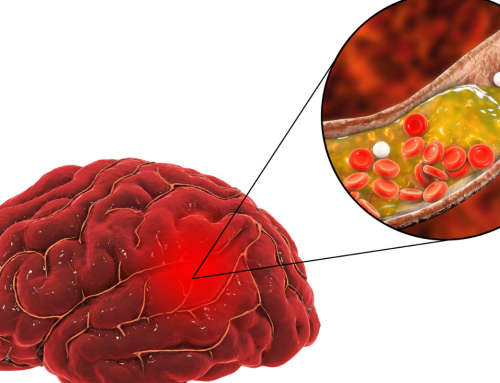
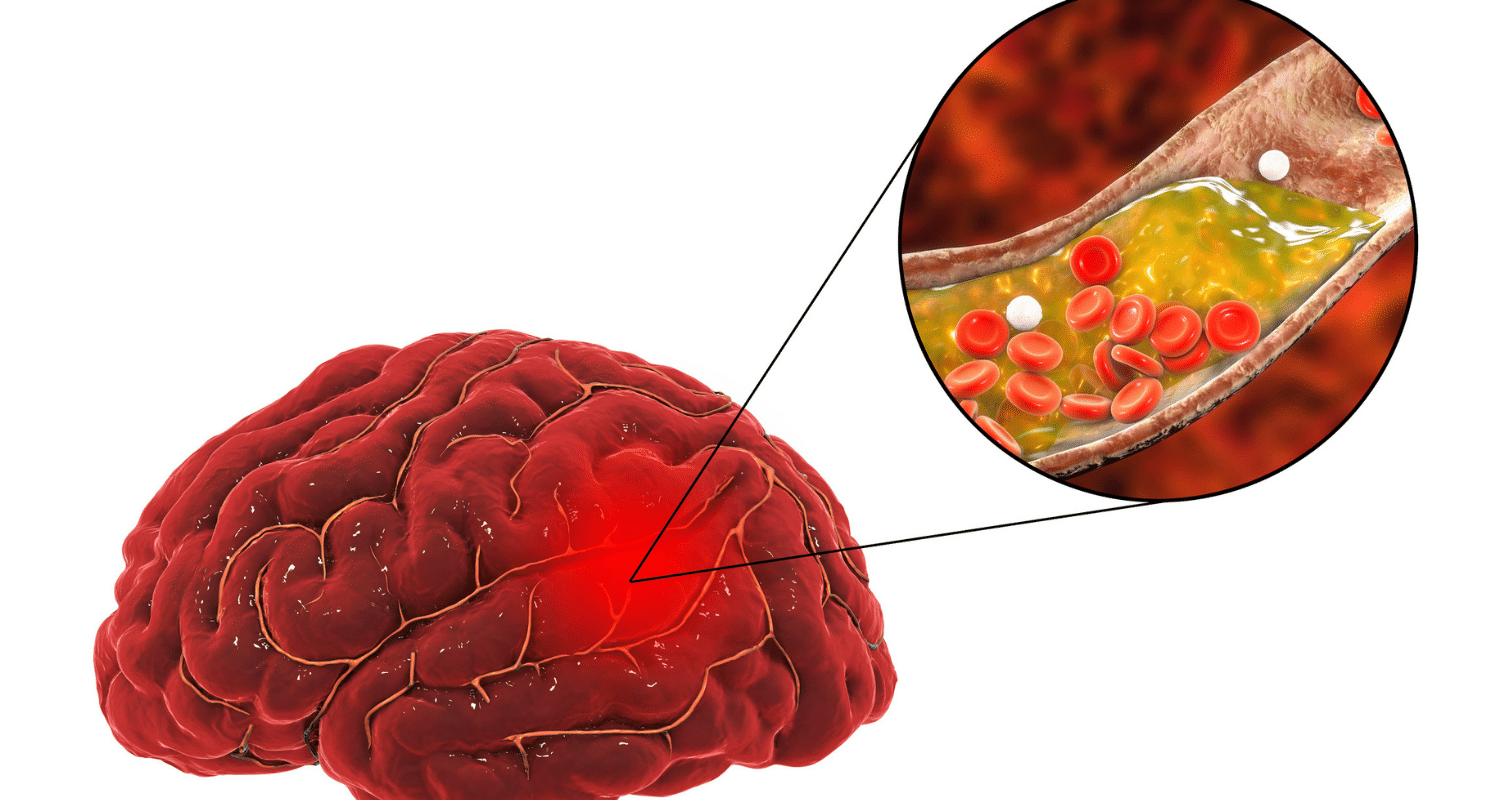
A TIA happens when a clot briefly blocks blood flow to the brain. Symptoms usually last minutes, rarely more than an hour. Imaging may show no damage. But the risk of a stroke afterward is high. Studies suggest up to about 20 percent of people may have a stroke within 90 days, and the risk is highest in the first 48 hours.
That is why any TIA needs same day medical evaluation. Doctors can check your arteries, heart rhythm, and blood pressure, then start treatment. After a TIA, the steps for how to prevent stroke after a TIA start right away.
Know the Signs: BE FAST
- Balance: sudden dizziness or loss of coordination
- Eyes: sudden blurred, double, or lost vision
- Face: one side droops or feels numb
- Arm: weakness or numbness in one arm or leg
- Speech: slurred words or trouble understanding
- Time: call emergency services right away
Other sudden signs include a severe headache unlike any before, confusion, and trouble walking. Some people wake with symptoms, which is why stroke while sleeping is a concern.
Vague Symptoms That Are Not Reliable Predictors
Some people report fatigue, nausea, mild headaches, or feeling “off” before a stroke. These symptoms are common and have many causes. They are not proven warnings. Do not panic over every tired day. But do not ignore a pattern that comes with sudden neurological changes.
If something feels very wrong, trust that feeling and get checked.
Women May Notice Different Signs
Women can have the usual stroke signs. They may also report sudden hiccups, nausea, chest pain, weakness all over, shortness of breath, or confusion. These can be mistaken for other problems. Women have extra points to consider for stroke prevention in women.
What to Do If Symptoms Appear
- Call emergency services immediately.
- Note the time symptoms started. Doctors use this to choose treatments.
- Stay calm. Lie down safely if you feel faint.
- Do not eat, drink, or take aspirin unless told by the dispatcher.
- Bring a list of medicines to the hospital.
Clot busting drugs and clot removal work best when given early. Waiting costs brain cells. If symptoms go away, go to the hospital anyway. A TIA is a medical emergency.

What Happens at the Hospital
Emergency teams will check your blood sugar and blood pressure. You will likely get a brain scan, such as a CT scan, to tell a clot from a bleed. This matters because treatment differs. If a clot is the cause and you arrive in time, doctors may give a clot dissolving drug or remove the clot with a catheter. Tests of the heart and neck arteries often follow. They look for the source of the clot, such as AFib or plaque.
If your symptoms were a TIA, doctors usually start preventive medicine the same day. This may include an antiplatelet drug, a statin, and blood pressure care. These steps lower the chance of a full stroke in the weeks ahead.
Why Every Minute Counts
During a stroke, millions of brain cells can die each minute. Fast treatment saves brain tissue and often means a better recovery. Family members and coworkers should also know BE FAST. If someone you know has symptoms, do not tell them to rest. Call for help and stay with them. Share what you saw, when it began, and any medicines they take.
Risk Factors That Raise Your Chances
You cannot predict the day of a stroke, but you can know your risk. Common factors include:
- High blood pressure
- High cholesterol
- Diabetes
- Atrial fibrillation
- Smoking
- Obesity and low activity
- Sleep apnea
- Family history
Family risk matters too, as seen with hereditary stroke. If you have several factors, ask your doctor about screening. A carotid artery test can show plaque in the neck.
How to Lower Your Risk Now
Do not wait for a warning. Start with the basics. Check your pressure at home. Take medicines as prescribed. Walk most days. Eat more vegetables, fish, beans, and nuts. Avoid tobacco. Useful steps include lifestyle changes to prevent stroke and ischemic stroke prevention. If you have AFib, ask about blood thinners.
Frequently Asked Questions
Can you feel a stroke coming days before?
Sometimes a TIA appears first. Many strokes give no warning.
What are the first signs of a stroke?
Sudden face drooping, arm weakness, or speech trouble. Think BE FAST.
How long do TIA symptoms last?
Usually minutes, though they can last up to an hour or more. Seek care anyway.
Can fatigue be a stroke warning?
It can occur, but it is common and not a reliable sign alone.
What should I do if symptoms go away?
Go to the hospital. A TIA can come before a larger stroke.
Do women have different stroke signs?
They may report extra signs such as nausea or hiccups.
Can a stroke happen without symptoms?
Yes. Silent strokes may cause no clear symptoms but can show on brain scans.
How can I lower my risk?
Treat blood pressure, cholesterol, diabetes, and AFib. Exercise, eat well, and avoid tobacco.
Key Takeaways
Share this page with family and friends. Knowing the signs can help someone you love get care in time.
There is no dependable seven day signal. A TIA is the clearest warning, and it demands urgent care. Learn BE FAST, act at once, and work on your risk factors today. A stroke prevention program can turn these steps into a plan.
About the Author: Christine Cooper