Know Your Risk Before It Strikes
Your arteries could be hiding early disease. Find out today.
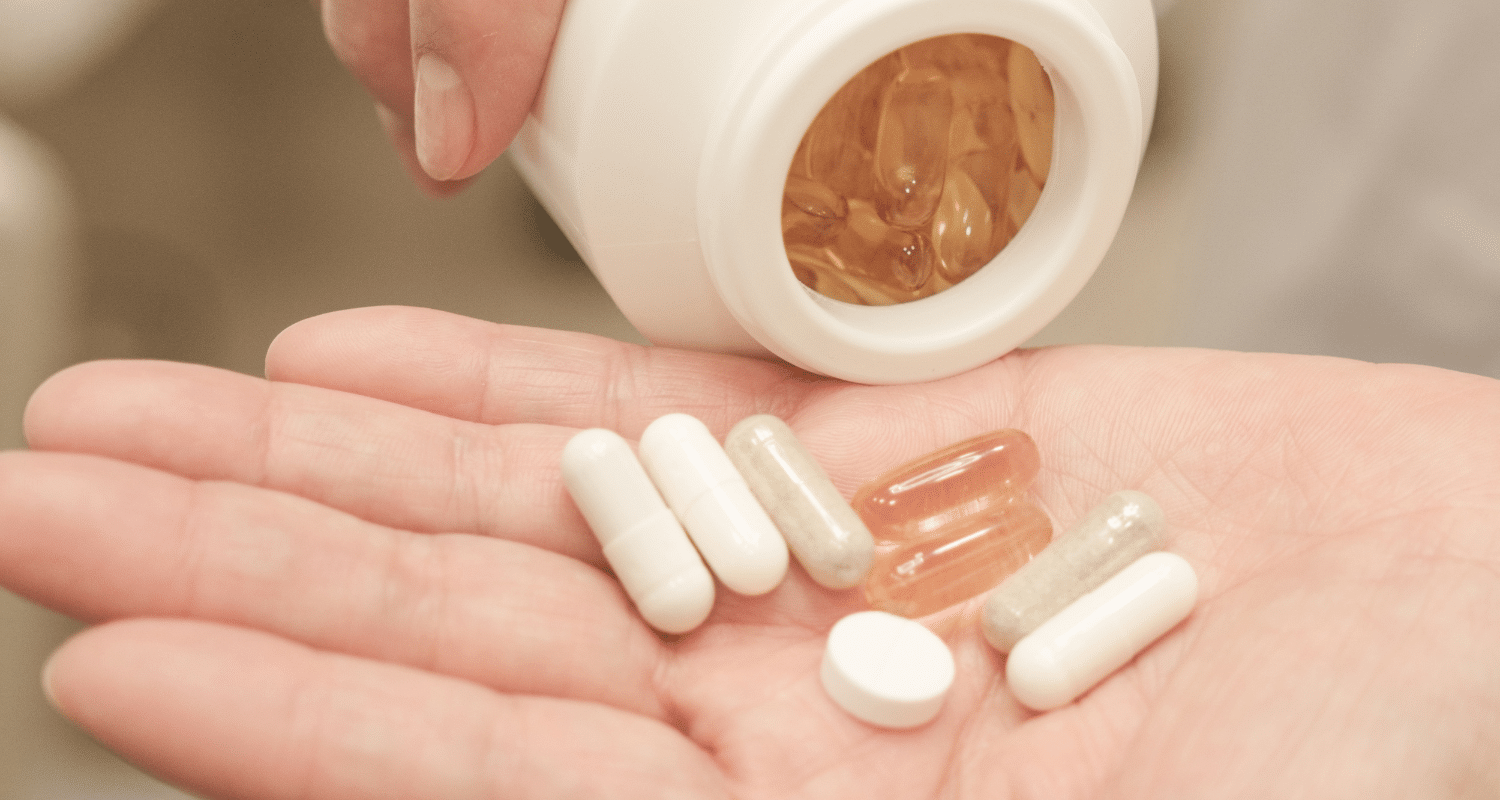
The best CoQ10 supplement is one that lists the form and dose clearly, has been tested by an outside lab, and fits your medicines. There is no single winner for everyone. CoQ10 may help some people with heart failure or statin muscle aches, but it has not been shown to prevent heart attacks. This guide shows how to compare products using the same criteria.
This content is for informational purposes only and is not medical advice. CoQ10 can interact with warfarin and may lower blood pressure. Never start, stop, or change a supplement or heart medicine without talking to your doctor or pharmacist first. At BaleDoneen, we review supplements as one small part of a full heart plan.
Disclosure: Some pages on our site may link to products. We do not rank products by payment. Check current labels before you buy, because formulas change.
What Is CoQ10?
Coenzyme Q10 is a compound your cells use to make energy. The heart has high energy needs, so it holds a lot of CoQ10. Your body makes it, and you also get small amounts from meat, fish, and nuts. Levels tend to fall with age. Statins can lower blood CoQ10 too, though this has not been proven to cause harm.
Does CoQ10 Help the Heart?
The evidence is mixed. Here is a fair summary.
- Heart failure. A large trial found that CoQ10 added to usual care lowered a combined measure of heart failure events and death. Later reviews have been less certain.
- Statin muscle aches. Some small studies show relief. Larger trials show little difference from placebo.
- Blood pressure. Effects, if any, are small.
- Heart attack prevention. No good proof exists. Do not use CoQ10 for that purpose.
CoQ10 is one of many vitamins for heart health that people ask about.
Ubiquinone vs Ubiquinol
CoQ10 comes in two forms.
| Form | What it is | Notes |
| Ubiquinone | The oxidized form | Cheaper, widely studied |
| Ubiquinol | The active, reduced form | Costs more, may absorb better in older adults |
Your body converts one into the other. Studies of absorption are small, and some are funded by makers. Either form may work. If you pick ubiquinol, check that the label still gives a clear dose.
How to Compare CoQ10 Products
Use this checklist for every bottle. It keeps comparisons fair.
| Criteria | What to look for |
| Form | Ubiquinone or ubiquinol stated on the label |
| Dose | Amount per capsule and per serving; common ranges are 100 to 200 mg a day |
| Delivery | Softgel in oil, since CoQ10 is fat soluble |
| Third party testing | A USP, NSF, or ConsumerLab seal |
| Extra ingredients | Few fillers; no unproven add ons |
| Claims | No promises to cure or prevent heart disease |
| Price | Cost per 100 mg, not per bottle |
Do not trust a bottle only because it says “clinically studied.” Ask which study, what dose, and in whom.
Who May Want to Ask About CoQ10
People with heart failure sometimes ask their cardiologist about it. So do people who have muscle aches on a statin. Older adults, whose natural levels fall, may also be curious. Still, healthy people with no symptoms have little proof of benefit. If you are in that group, your money may be better spent on fresh food, a gym pass, or a home blood pressure cuff.
How to Read a CoQ10 Label
Start with the supplement facts panel. Find the amount of CoQ10 in milligrams for one serving, and check how many capsules make a serving. Next, look at the other ingredients. Oils such as soybean or rice bran oil help absorption. Note any allergens. Finally, look for a lot number and an expiry date. A seal from a testing group means the product was checked for what it claims to contain. It does not mean the supplement will work for your heart.
Dose and Absorption Tips
Doses used in studies range from 100 to 300 mg a day, often split into two parts. Take CoQ10 with a meal that has some fat, since it absorbs better that way. Results can take several weeks. If you have no benefit after a few months, you can talk with your doctor about stopping.
CoQ10 and Statins
Some people take CoQ10 hoping it will ease muscle pain from statins. The evidence is mixed. A trial may help one person and not another. Never stop a statin because of muscle aches before speaking with your doctor. Other options exist, such as changing the dose or drug. Options for statin intolerance exist, and good cholesterol management still matters.
CoQ10 and Blood Thinners
CoQ10 looks like vitamin K in structure. It may weaken the effect of warfarin and change INR results. If you take warfarin, do not start CoQ10 without your doctor. Your INR may need extra checks. For stroke patients and others on blood thinners, note how blood thinners to prevent stroke interact with supplements.
Side Effects and Who Should Be Careful
Most people tolerate CoQ10 well. Reported effects include stomach upset, loose stools, headache, and trouble sleeping. It may lower blood pressure a little, which matters if you already take blood pressure drugs. Pregnant or nursing women, people with liver disease, and people with cancer treatment plans should ask their doctor first.
Food Sources and Other Steps
You can get small amounts from fatty fish, organ meats, beef, and nuts. These amounts are much lower than a supplement dose. Food does more good through its overall pattern. Practical steps for preventing a heart attack with food matter more. A supplement cannot make up for high blood pressure, high LDL, or smoking.
Better Questions Than “Which Brand?”
Ask yourself first: Why do I want CoQ10? Is it for heart failure, statin aches, or general health? Then ask your doctor if it fits. Real heart protection starts with knowing your true risk. Tests such as a CIMT scan and inflammation markers can show whether plaque is present. Other natural supplements for heart health may have stronger support.
Frequently Asked Questions
What is the best CoQ10 supplement for heart health?
Pick a tested product with a clear form and dose that suits your medicines.
Is ubiquinol better than ubiquinone?
It may absorb better for some older adults. Proof is limited.
How much CoQ10 should I take?
Studies use 100 to 300 mg a day. Your doctor can guide you.
Can CoQ10 prevent a heart attack?
No. There is no proof of that.
Does CoQ10 help with statin side effects?
Results are mixed. Some people feel better, others do not.
Is CoQ10 safe with warfarin?
It may reduce warfarin effect. Ask your doctor first.
When should I take CoQ10?
With a meal that contains fat.
Does CoQ10 lower blood pressure?
It may lower it slightly. Tell your doctor if you take other drugs.
How long until I notice a difference?
Several weeks to a few months, if at all.
Key Takeaways
CoQ10 may help in selected cases, but it is not a heart attack shield. Choose a tested product, check the dose, and watch for interactions. Most of all, treat your real risk factors. A plan that begins with testing supports heart attack prevention.
About the Author: Christine Cooper